
A new partnership between our College and the School of Modern Languages demonstrates how learning science can be applied across Georgia Tech.
By Melissa Aberle-Grasse
A new collaboration between the College of Lifetime Learning and the School of Modern Languages (SML) offers more than a new course. It provides a practical example of how learning science expertise can be applied across Georgia Tech — strengthening pathways, expanding impact, and advancing integrated learning systems across the Institute.
The partnership began when Dr. Kyoko Masuda, professor of Japanese and Linguistics in SML, recognized growing student interest in teaching as either a short-term overseas opportunity or a long-term career path. While SML offered coursework in linguistics, it did not provide structured preparation or supervised experience in teaching practice.
“The Japanese word for education is kyooku (きょういく), which means ‘teach’ and ‘grow,’” she explains. “I’ve enjoyed teaching Japanese because I can witness my students grow!”
“In addition, there has been a growing recognition across higher education of the importance of peer learning, mentoring, and experiential learning opportunities,” Masuda said. “We envisioned a course to help students gain a deeper understanding of the learning process itself, which aligns closely with broader workforce needs such as communication, collaboration, and leadership.”
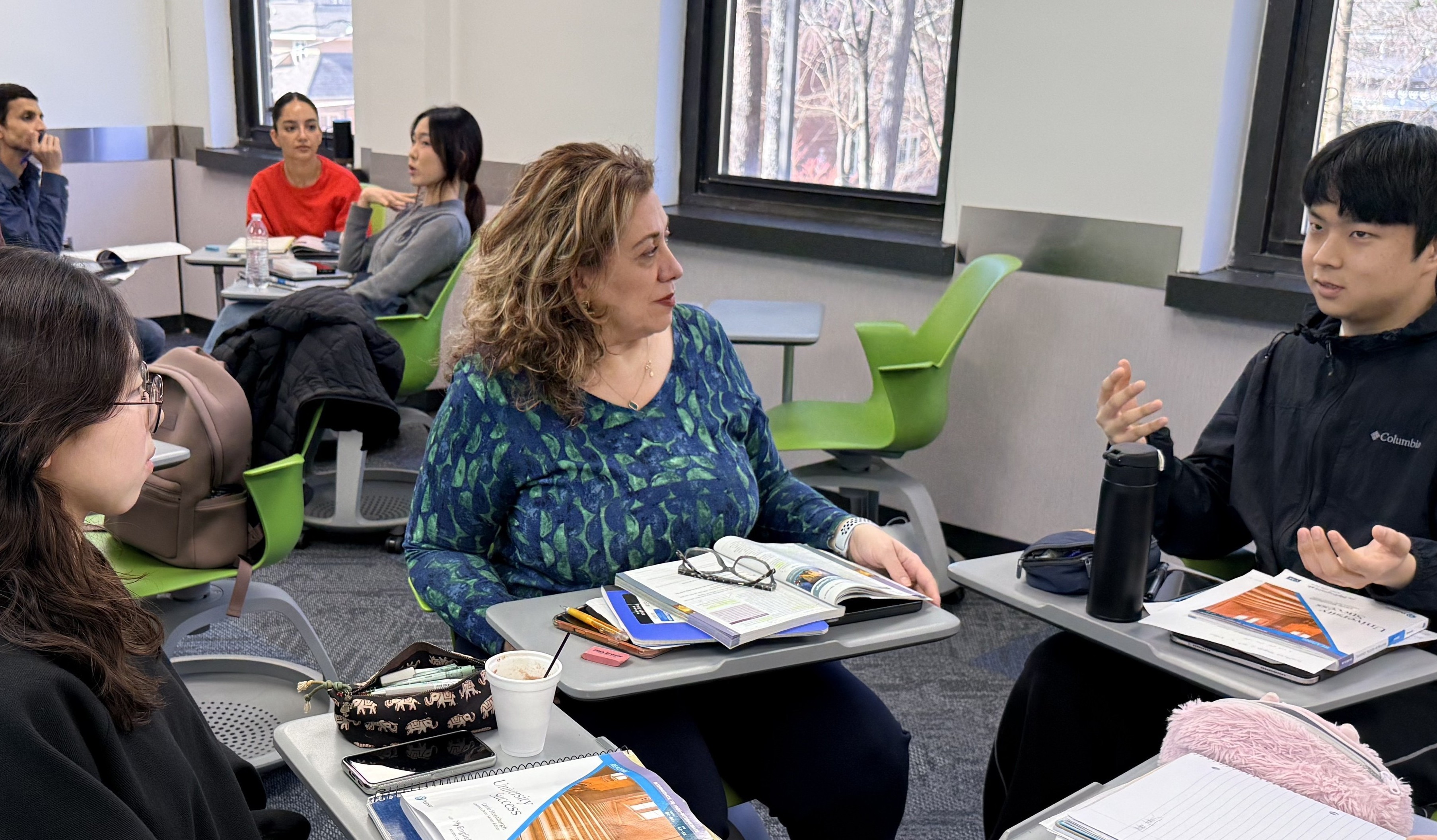
Rather than seeking external partners, Masuda connected with colleagues in the College of Lifetime Learning, whose language programs and applied linguistics faculty offered an ideal practicum setting. The resulting course — ML 4505/8803/LING 3813/8803 Foreign Language Teaching: Theory and Practice — integrates two credit hours of lecture with one credit hour of supervised practicum. Students complete 20–25 hours of classroom observation, tutoring, and language exchange activities.
By combining theory with applied observation and reflection, the course connects academic insight with real learning environments — a hallmark of effective learning system design.
Autumn Lowe (MS-ALIS, Japanese) described the experience this way: “Currently, I’m just exploring the possibility of teaching language as a career. I hope that this course will help me really evaluate my thoughts…from a more holistic perspective. [Also] how to communicate and be flexible in how you share information are useful skills, I believe, in any career path.”
The collaboration is already yielding insights into how shared vision, trust, and structured feedback can translate student need into durable academic infrastructure. Ongoing learner and teacher feedback may inform future courses, research initiatives, and additional cross-college partnerships — strengthening Georgia Tech’s capacity to design and continuously improve learning systems across disciplines and career stages.